
|
The Pros And Cons Of Hitchhiking
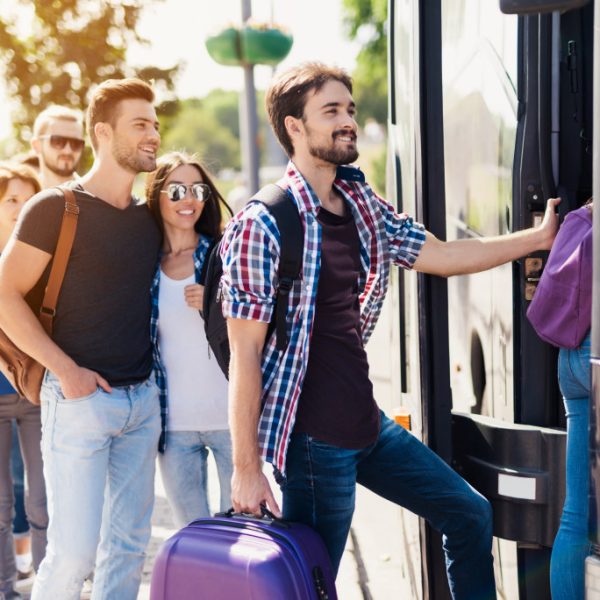
The pros and cons of hitchhiking are
obvious. It is cheap, but dangerous. It is convenient, but unpredictable.
It takes away the hassle of dealing with car repairs and replaces
it with the hassle of standing in the rain, waiting hours for
a ride. I hitchiked over 20,000 mies when I was young, sleeping
under bridges and fighting off homosexual predators, from Canada
to Mexico. It was interesting, and cheap, but I wouldn't consider
hitchhiking as a primary mode of travel ever again.
There are certain times and circumstances
when I still put out my thumb, however. Most recently in the
mountains of Ecuador. My wife and I were in Las Cajas National
Park, hiking along ancient Incan rock walls, and we missed the
bus back to Cuenca. There may have been another one coming, but
we didn't want to wait until dark to find out, so out went the
thumb. "Ir a dedo" is the expression in Ecuador; to
"go by finger." The third vehicle to pass, a meat delivery
truck, stopped, and we were in Cuenca in an hour. The driver
refused to take any money, so we left him with a large avacado.
If you do try hitchhiking in other countries,
ask the locals about it. In Ecuador, for example, I've been told
that you can't get a ride in the southern part of the country.
It is also customary to at least offer something for the ride.
Hitchiking In The United States
As I said, the pros and cons of hitchhiking
are obvious, and the balance is on the side of the "cons."
It is more difficult now than ever to rely on getting a ride
when you put out your thumb. It is still legal in most places
in the United States, however, as long as you stay off the freeways.
At what point along the entrance ramp to the freeway you cross
the legal line is open to the interpretation of the police officer
that tickets you.
When I was sixteen, I was hitchhiking
across the country, and doing fine until I was stuck all day
on a highway in Montana. Finally a nice old lady picked me up
and told me why I was having trouble. A few years before, somebody
picked up a guy on that stretch of highway, and the police found
the hitchhiker cooking the driver's heart over a campfire that
evening. The lady also told me about the UFO that had sucked
up her trailer in it's "magnetic beam," and other wild
stories. Oddly enough, all the stories have turned out to be
true, except for the UFO one. It was ten years later when I caught
an item on the news about the canibal hitchhiker. They were releasing
him, now that he was sane again. So you can see why drivers may
be hesitant to pick up hitchhikers.
There is one circumstance when you may
find it useful to hitchhike, even if you never have before. That
is when you need to get back to your car after backpacking in
the mountains. Because you may want to come out of the wilderness
in a different location than where you entered, and there probably
won't be taxis there, hitchhiking could be the only option you
have to get back to the trailhead where you left your car. In
fact, this is relatively safe and easy, in these circumstances.
National Parks, such as Yellowstone, are almost the only places
we've even seen hitchhikers lately, and drivers are comfortable
picking up people that are obviously backpackers.
Hitchhiking Safely
If you do decide to hitchhike, follow
some basic safety guidelines. First, be prepared for any possible
circumstances. Have rainwear, in case you have no way to get
out of the rain. Carry food and water, since you never know how
long you'll be waiting for a ride. Have warm clothing if cold
weather is possible. Always have a highway map with you.
Use your intuition and common sense when
hitchhiking, and don't be afraid to say no to an offer of a ride.
I probably shouldn't have taken a ride with that cocaine-snorting
guy in Idaho when I was sixteen. As it turns out, maybe my intuition
wasn't so bad. Despite his habit, he turned out to be a decent
guy, and brought me hundreds of miles closer to home.
Everything
About Travel | The Pros And Cons Of Hitchhiking |